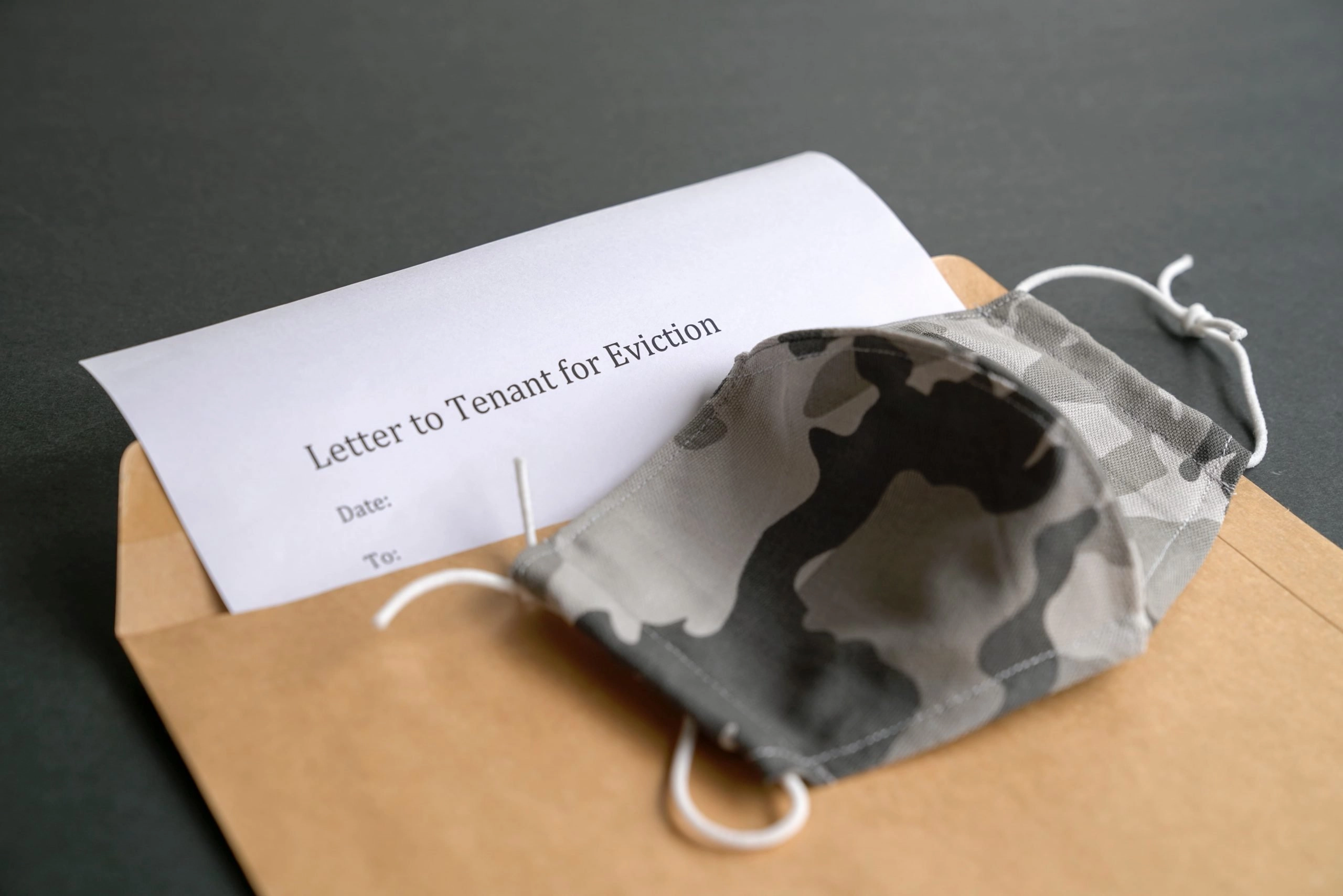
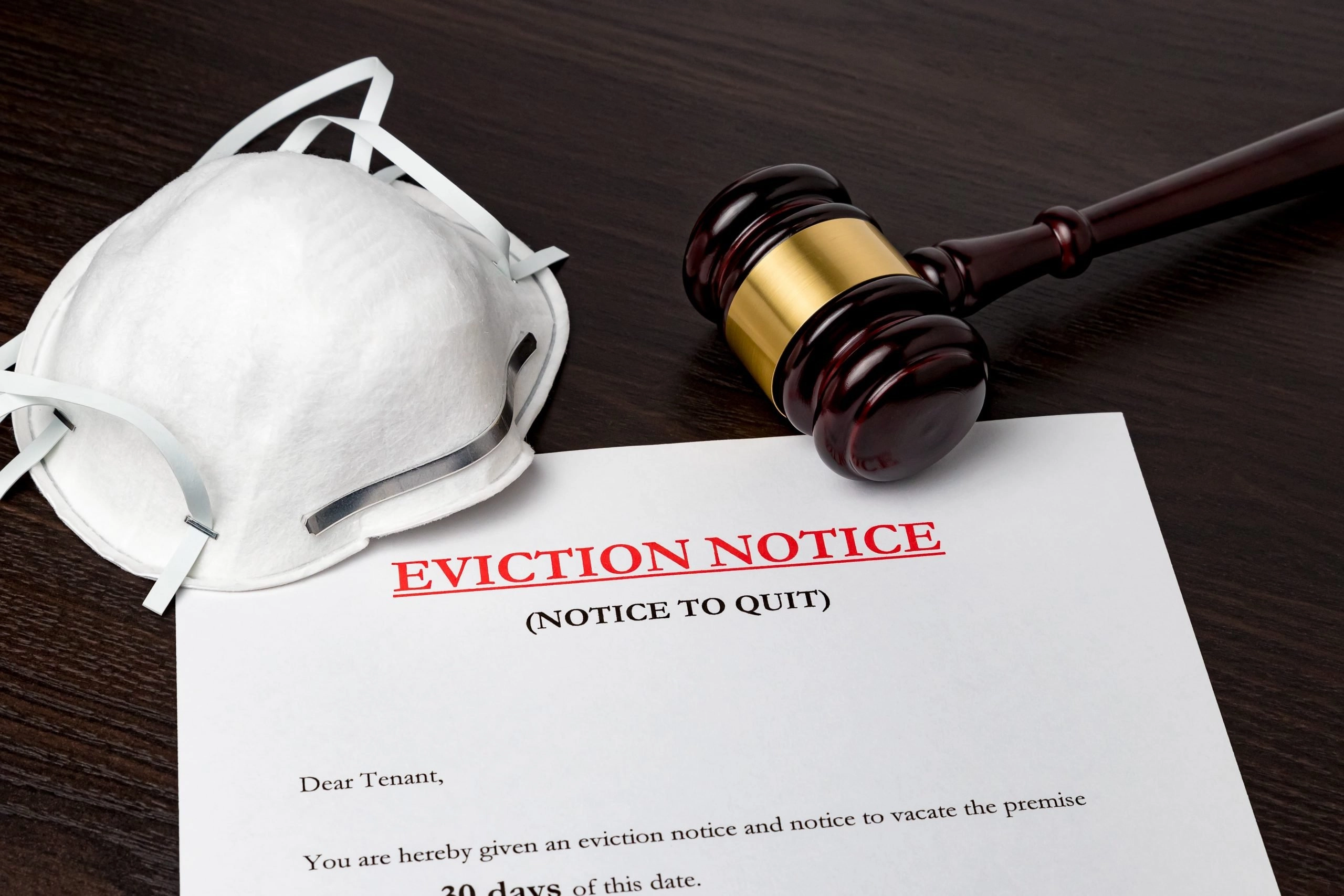
The health, social, psychological, and economic effects of the COVID-19 crisis are severe. Many Californians with low incomes have been especially hard hit. Changes to jobs, schools, child care settings, and services have been particularly disruptive to the millions of people who did not share the fruits of the State’s prosperity even before the pandemic. A disproportionately high percentage of minorities are losing their jobs or expressing concerns about their future. People in occupations with limited opportunities to work from home have had the most anxiety for their future and potential eviction by the landlords.
Things are fortunately looking up as the pandemic continues to wind down in La Jolla, CA, and the region. While your local property managers are always available for adequate advice on the landlord-tenant dynamic during COVID, read on to learn more about how CTRA protects tenants during this pandemic.
How does COVID-19 Tenant Relief Act protect tenants?
It is expected that the full lifting of lockdown measures will set the stage for an even faster recovery in the State of California than nationwide, providing an overall encouraging outlook. Until then, here are the legal and financial tenant protections under CTRA:
- The notice period for rent nonpayment is increased from 3 to 15 court days to give tenants more time to respond to the landlord’s notices.
- Mandatory hardship declaration forms must be provided with any eviction notice.
- The hardship declaration forms the landlord provides must be in the language in which the rental agreement was agreed upon.
- Landlords are required to provide tenants with a disclosure explaining the rights they have under AB 3088.
- Expands the “just cause” protections to all tenancies, including those less than one year, new construction, single-family homes, and affordable housing.
- Local ordinances in effect as of August 19th, 2020, will remain in effect until their expiration.
- Landlords are forbidden from charging late fees.
- Collection of debt cannot start until July of 2021, although individual cases filed before October 2020 may continue.
- Landlords who want to collect unpaid rent using court action must first apply for or look into rental assistance payments. If the landlord turns down rental assistance, they will not be able to collect any unpaid rent using court action.
- Landlords who reject the up to 80% rental assistance payment and forgive the remaining past due rent will only receive 25% of past-due rent.
- Credit reports of rental debt due to the pandemic can’t be used to justify tenants’ future housing by landlords.
Can a tenant get evicted due to loss of income during COVID?
If you lost income or had increased expenses because of COVID, the new legislation prohibits your landlord from evicting you for not paying rent. However, this protection is not entirely automatic. If your landlord gives you an eviction notice for nonpayment of rent, this notice must be accompanied by a “Declaration of COVID-19-related financial distress”, which you must sign and return within 15 days of getting it from your landlord. If the landlord does not give the tenant this declaration form together with the eviction notice, the eviction notice is not valid.
An additional requirement for the landlord to not evict for missed rent between September 1st, 2020 and September 30th, 2021 (besides the signed COVID declaration) is the regular payment of at least 25% of the rent time period by September 30th, 2021. Further important tenant protections include the following:
- Landlords cannot increase the charges of any fees agreed to in the lease.
- Landlords cannot add new expenses.
- They can start selling or assigning pandemic rental debt only after June 31st, 2021.
However, the full payment of owed rent has not been eliminated. Unpaid rent isn’t waived but is converted into consumer debt. Even though tenants are protected from eviction, they must eventually pay back all the rent payments they missed. From November 1st, 2021 onwards, landlords can sue their tenants for not repaying unpaid rent from March 1st, 2020, to September 30th, 2021.
Reap the benefits of hiring the leading La Jolla, CA, property managers
Do you want to relieve yourself of the stress of having to deal with tenant issues during the pandemic? One of the primary benefits of hiring a property manager in La Jolla and across San Diego is that it will save you the headache of time-consuming landlord responsibilities. Here at Lofty Property Management, we will handle your everyday tasks, from property maintenance and routine tenant check-ups to preparing your rental for the new tenants and managing tenant turnover during the pandemic. Our team is our most valuable asset, as evident by a large number of our happy clients. Get in touch with us today!